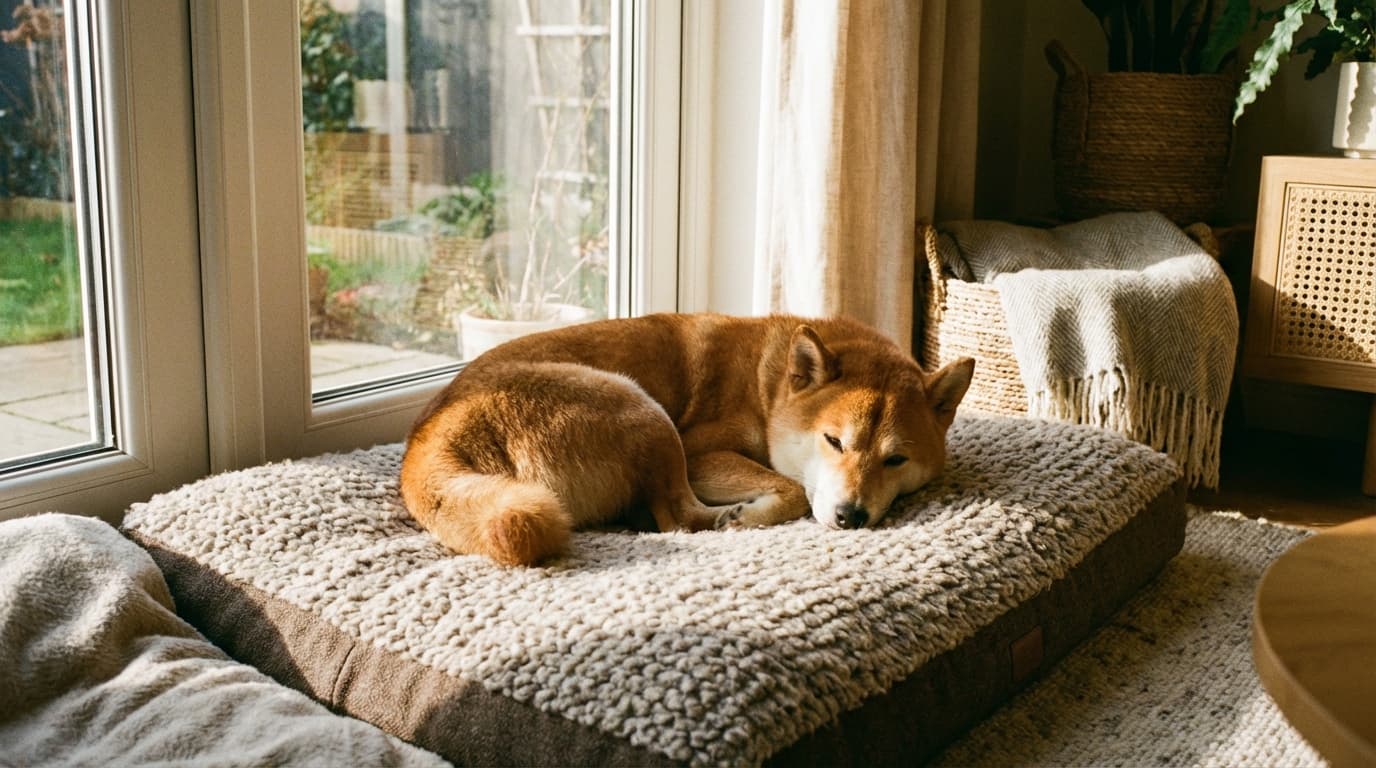
Not every dog craves belly rubs and constant companionship. If your dog seems to prefer alone time over snuggling on the couch, you are not dealing with a cold or unfriendly pet. You may simply have an independent dog who thrives with a bit of personal space. Understanding why some dogs need solitude and how to respect that need can transform your relationship and help both of you feel more at ease.
Many owners worry that a dog who prefers alone time is unhappy or poorly bonded. The truth is quite the opposite. An independent dog who chooses to rest in another room or ignores your invitation to cuddle is often a confident, well-adjusted animal. Recognizing this trait early can save you from unnecessary anxiety and prevent you from forcing interactions that stress your dog out.
Why Some Dogs Prefer Alone Time
Dogs, like humans, fall on a spectrum of sociability. While some breeds were developed to work closely alongside people all day, others were bred for solitary tasks like guarding livestock on remote hillsides or independently tracking game through dense forests. Breeds such as the Shiba Inu, Basenji, Chow Chow, Afghan Hound, and Akita are well-known for their self-sufficient personalities. These dogs were selected over generations for the ability to think and act on their own, which naturally translates into a preference for personal space at home.
Beyond breed tendencies, individual temperament plays a significant role. Even within a litter of Golden Retrievers, a breed famous for its sociability, you might find one puppy who consistently wanders off to nap alone rather than pile up with siblings. Early life experiences also matter. A dog who spent formative weeks in a quieter environment with fewer social demands may grow up more comfortable with solitude than one raised in a busy, hands-on household.
Age is another factor worth considering. Senior dogs often become more independent as they age, preferring a quiet corner to the hustle of family activity. This shift does not mean they love you less. It means their energy and social needs have changed, and respecting that change is one of the most compassionate things you can do.
Signs Your Dog Is an Independent Spirit
Recognizing an independent dog is not always straightforward, especially if you expected a Velcro companion who follows you from room to room. Here are some common signs that your dog simply needs more space.
Your dog chooses to sleep in a separate room or on the opposite end of the couch rather than pressed against you. They may greet you calmly when you come home instead of launching into a frenzy of excitement. During walks, they tend to explore on their own terms rather than constantly checking in with you for direction.
Independent dogs often entertain themselves. You might notice your dog happily chewing a toy alone in the yard or watching birds from a window without seeking your attention. They may tolerate petting for a moment and then calmly walk away. This is not rejection. It is a dog who knows what they need and feels secure enough to communicate it.
Another hallmark is a relaxed demeanor when left alone. While dogs with separation anxiety may destroy furniture or bark incessantly when you leave, an independent dog typically settles down quickly and enjoys the quiet. If you have ever come home to find your dog peacefully napping exactly where you left them, you likely have an independent spirit on your hands.
If you are curious about where your dog falls on the personality spectrum, take the free quiz to discover their unique archetype and get tailored guidance for your specific dog.
Common Mistakes Owners Make With Aloof Dogs
One of the biggest mistakes is assuming that a dog who does not want constant affection is somehow broken or needs to be fixed. Owners sometimes respond by overwhelming the dog with forced cuddles, picking them up repeatedly, or hovering over them in an attempt to create closeness. This approach almost always backfires. A dog who already prefers space will feel trapped and stressed by unwanted physical contact, which can erode trust over time.
Another common error is punishing or scolding a dog for walking away during petting. When your dog gets up and moves to another spot, they are communicating a boundary. Respecting that boundary actually strengthens your bond because your dog learns that you listen to their signals. Punishing the behavior teaches them that communication does not work, which can lead to more concerning responses like growling or snapping down the road.
Some owners also make the mistake of drastically reducing interaction, assuming the dog wants to be left entirely alone. Independent dogs still need engagement, mental stimulation, and companionship. They simply prefer it on their own schedule. The goal is not to ignore your dog but to let them initiate contact more often and to keep your shared activities rewarding rather than smothering.
How to Build a Strong Bond With an Independent Dog
Building a deep connection with an independent dog requires patience and a willingness to meet them where they are. Instead of long cuddling sessions, focus on activities that respect their autonomy while still fostering togetherness.
Parallel companionship is a powerful tool. Sit in the same room as your dog while reading a book or working on your laptop. You are sharing space without demanding interaction. Over time, many independent dogs begin choosing to be closer simply because there is no pressure attached to being near you.
Training sessions work wonderfully with these dogs, especially when they involve problem-solving. Independent breeds tend to be intelligent and enjoy tasks that challenge their minds. Short, reward-based training sessions of five to ten minutes keep them engaged without feeling controlled. Puzzle feeders, scent work, and hide-and-seek games also appeal to their self-reliant nature.
Let your dog come to you. When they approach for attention, respond warmly and keep the interaction brief enough that they leave on a positive note. If you notice your dog leaning against your leg or settling near your feet, resist the urge to immediately start petting. Sometimes simply acknowledging their presence with a soft word is enough to reinforce that being near you is a pleasant, low-pressure experience.
On walks, give them opportunities to sniff, explore, and make choices about direction when it is safe to do so. A decompression walk on a long leash in a quiet area lets an independent dog fulfill their need for exploration and decision-making. These walks often do more for your bond than a structured heel session ever could.
When Independence Becomes a Concern
While a preference for alone time is perfectly normal for many dogs, sudden changes in social behavior warrant attention. If your previously social dog starts isolating themselves, avoiding interaction, or hiding, this could signal pain, illness, or emotional distress rather than a personality trait.
Watch for accompanying signs like changes in appetite, limping, reluctance to move, or unusual vocalizations. A dog who was once moderately social and has become completely withdrawn over a short period should be evaluated by a veterinarian. Conditions ranging from arthritis to dental pain to cognitive decline in older dogs can cause a pet to seek solitude as a way of coping with discomfort.
Similarly, if your independent dog shows signs of distress when alone, such as excessive drooling, destructive behavior, or house soiling, the issue may not be independence at all but rather anxiety manifesting in a dog who typically seems calm. A qualified veterinary behaviorist can help distinguish between a naturally independent temperament and a dog masking anxiety behind a quiet exterior.
Embracing Your Dog for Who They Are
The most rewarding step you can take with an independent dog is simply accepting them. Not every dog will greet you at the door with a toy in their mouth and a wildly wagging tail. Not every dog wants to sleep in your bed or sit on your lap during movie night. And that is completely fine.
Dogs who prefer alone time often show affection in subtle ways that are easy to miss if you are looking for grand gestures. A brief tail wag when you enter a room, choosing to nap within eyesight of you, or bringing you a toy once a day are all meaningful expressions of connection from an independent dog. Learning to read and appreciate these quiet signals deepens your understanding of who your dog really is.
When you stop trying to reshape your dog into something they are not and start building a relationship around their actual personality, something remarkable happens. Your dog begins trusting you more. They may even start offering more affection on their own terms because they feel safe and understood. The bond you build with an independent dog might look different from what you imagined, but it is no less real or rewarding.
If you want to understand your dog on a deeper level and get personalized strategies for connecting with their unique personality, take the free quiz to uncover their behavioral archetype today.
Further Reading
- Understanding Your Dog's Behavior - American Kennel Club guide to reading and interpreting common dog behaviors
- Dog Body Language - ASPCA resource on understanding how dogs communicate through posture and signals