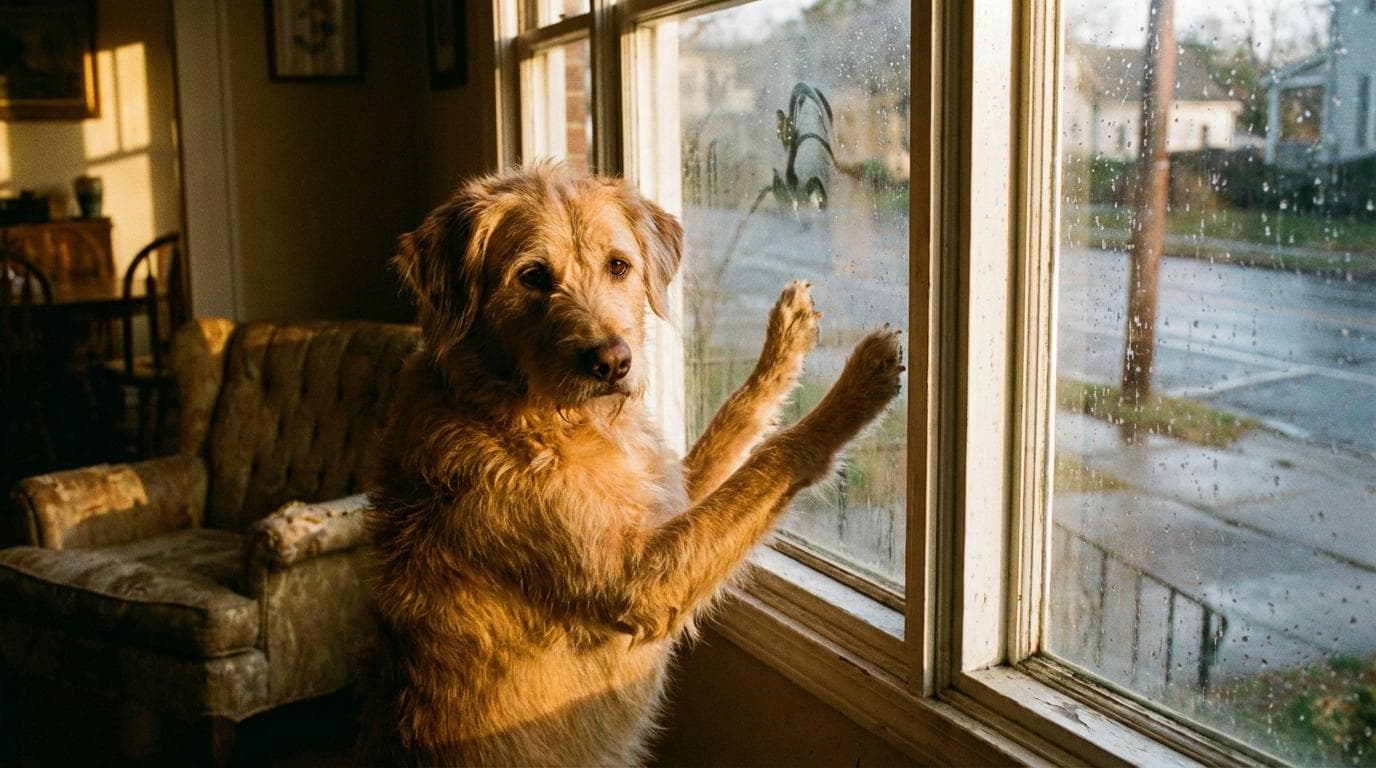
It's heartbreaking, isn't it? You walk out the door, and the moment the latch clicks, the mournful cries begin. Or perhaps you return home to chewed furniture, scratched doors, or an "accident" on the rug, knowing your beloved companion has spent hours in distress. You feel guilty, frustrated, and utterly exhausted, wondering if your dog will ever be okay when you’re not there.
You’re not alone. Millions of dog owners struggle with dog separation anxiety, and it’s one of the most challenging behavioral issues to tackle. But here’s the good news: it is manageable, and with patience, understanding, and a structured approach, you can help your dog feel safe and secure, even when you’re away. This comprehensive guide will walk you through everything you need to know, from understanding the root causes to implementing an effective separation anxiety training plan.
What is Dog Separation Anxiety?
Dog separation anxiety isn't just your dog being "naughty" or "vindictive" because you left them. It's a genuine panic disorder, a profound distress response triggered by the absence of their primary attachment figure – you. When your dog experiences separation anxiety, they aren't trying to punish you; they're genuinely terrified.
Imagine being utterly alone in a situation you perceive as dangerous, with no one to protect you. That's how many dogs with separation anxiety feel. Their behavior isn't defiance; it's a desperate attempt to cope with overwhelming fear and loneliness. Understanding this fundamental difference is the first crucial step toward helping your dog.
Signs of Dog Separation Anxiety
Recognizing the signs is key. While some behaviors are obvious, others can be subtle. Your dog might display one or several of these symptoms, and they almost exclusively occur when you are preparing to leave, are leaving, or are already gone.
* Excessive Vocalization: This is often the most noticeable sign and the one that typically leads to neighbor complaints. It includes incessant barking, howling, whining, or crying that starts shortly after you leave and can continue for extended periods. You might hear it through a dog monitor or get reports from others.
* Destructive Chewing/Scratching: Your dog might target exits (doors, windows), personal items that smell like you (shoes, clothes), or items that provide a sensory experience (furniture, cushions). This isn't out of malice but often an attempt to escape or to self-soothe through oral fixation.
* Inappropriate Urination/Defecation: House-trained dogs suddenly having accidents indoors, especially when you're gone, is a common symptom. This isn't spite; it's a physiological response to extreme stress and anxiety.
* Pacing or Restlessness: Many dogs with separation anxiety will pace frantically, often in repetitive patterns, or seem unable to settle down when left alone. This can be observed via pet cameras.
* Escape Attempts: Your dog might try to dig under doors, chew through crates, or jump through windows, often injuring themselves in the process. This is a desperate attempt to reunite with you.
* Excessive Salivation/Drooling: Some dogs drool excessively when stressed, leading to puddles or wet fur.
* Depression/Loss of Appetite (when alone): While less common, some dogs may become withdrawn, refuse to eat treats, or show no interest in toys when left alone, only to perk up immediately upon your return.
* Over-the-Top Greetings: While all dogs are happy to see their owners, a dog with separation anxiety might have an extremely exaggerated greeting, almost as if they feared you would never return.
Why Does Your Dog Suffer from Dog Anxiety When Alone?
Pinpointing the exact cause of dog anxiety when alone can be challenging, as it's often a combination of factors. However, understanding potential triggers can help you tailor your approach. It's important to remember that it's rarely "your fault" and often stems from a dog's inherent nature, past experiences, or a sudden change in routine.
Common Causes
* Changes in Routine: A sudden shift in your schedule, like going back to work after a long period at home (common post-pandemic), a move to a new house, or even a change in household members, can trigger anxiety.
* Traumatic Experiences: Dogs adopted from shelters, especially those with a history of abandonment, multiple homes, or neglect, are often more prone to separation anxiety. A frightening experience while alone (like a loud storm or fireworks) can also contribute.
* Genetics/Predisposition: Some breeds or individual dogs may be genetically predisposed to anxiety. Certain behavioral archetypes also lend themselves to this. For instance, an "Anxious Guardian" dog, by their very nature, forms incredibly strong bonds and can become highly distressed when those they protect are absent. Similarly, an "Under-socialized Protector" might lack the confidence to cope alone, while a "Fearful Reactor" might have underlying anxieties exacerbated by solitude.
* Lack of Independence Training: If a dog has never learned to be comfortable on their own, even in the same room, they may struggle when truly left alone. This can be more pronounced in puppies who were never gradually accustomed to alone time.
* Over-Attachment: While a strong bond is wonderful, an unhealthy over-attachment where the dog shadows you constantly and cannot tolerate even minor separations can lead to severe anxiety when you physically leave the house. This can sometimes be seen in "Frustrated Greeters" who thrive on constant interaction.
* Inadequate Mental/Physical Stimulation: A dog with pent-up energy or an unexercised mind, such as an "Overstimulated Athlete," might develop destructive behaviors or anxiety when left alone simply because they have nothing else to do and are wired for activity. This isn't true separation anxiety but can look similar.
Misconceptions About Dog Anxiety When Alone
It’s crucial to dispel some common myths that can hinder effective training:
* "My dog is doing it out of spite." No. Dogs don't experience spite or revenge. Their behaviors are driven by emotion and instinct, not malicious intent.
* "My dog just needs to learn who's boss." Punishment is never the answer for anxiety. It will only increase your dog's fear and worsen the problem.
* "My dog just needs more toys." While enrichment is important, toys alone won't address the underlying panic. A highly anxious dog won't engage with toys when in a panic state.
* "My dog is just badly behaved." Separation anxiety is a clinical condition, not a sign of a "bad dog." Your dog needs help, not judgment.
Before You Start: Setting the Stage for Separation Anxiety Training
Before diving into a full training plan, there are a few foundational steps that can significantly improve your chances of success and ensure your dog's well-being.
Rule Out Medical Issues
Always start with a visit to your veterinarian. Certain medical conditions, like urinary tract infections, incontinence, or even pain, can cause house-soiling. Thyroid imbalances or other neurological issues can also manifest as behavioral changes. It’s essential to rule out any physical causes before assuming the problem is purely behavioral.
Management Strategies for Immediate Relief
While you work on long-term training, these strategies can help manage the immediate symptoms and reduce your dog's stress levels.
* Avoid Triggers: As much as possible, try to avoid leaving your dog alone for durations that cause distress. This might mean arranging for dog sitters, doggy daycare, or having friends/family check in. This isn't a long-term solution but can prevent your dog from practicing anxious behaviors while you train.
* Crate Training (with caution): For some dogs, a crate can be a safe den, but for others, it can exacerbate anxiety, making them feel trapped. If your dog panics in a crate, do NOT use it for separation anxiety. If they are comfortable, ensure it's a positive space with comfy bedding and safe toys. Never use the crate as punishment.
Exercise and Mental Stimulation: A tired dog is a calmer dog. Ensure your dog gets plenty of physical exercise (walks, runs, fetch) and mental stimulation (puzzle toys, training sessions, sniff walks) before* you need to leave them. This can help them settle more easily. An "Overstimulated Athlete" especially needs this outlet.
* Calming Music/TV: Leaving on classical music, an audiobook, or a TV channel designed for dogs can provide background noise and a sense of company.
* Pheromone Diffusers/Calming Sprays: Products like Adaptil (dog appeasing pheromone) can have a subtle calming effect for some dogs.
* Safe Space: Create a comfortable, quiet den for your dog, perhaps with their bed, favorite toys, and a long-lasting chew, away from high-traffic areas.
A Step-by-Step Separation Anxiety Training Plan
This is where the real work begins. Separation anxiety training requires immense patience, consistency, and a commitment to small, gradual steps. The goal is to change your dog's emotional response to being alone from panic to calm.
Foundation Work: Building Independence
Before you even think about leaving the house, focus on building your dog's confidence and ability to be calm when you're present but not interacting with them.
1. "Go to Your Place" Training: Teach your dog to go to a designated bed or mat and stay there calmly while you move around the house. Reward them for settling. This creates a safe, predictable space for them.
2. Gradual "Invisible" Separations: Start by moving to another room for a few seconds, then returning. Don't make a big deal of leaving or returning. Gradually increase the duration. The goal is for your dog to realize you always come back.
3. Practice "Pre-Departure Cues": Your dog likely knows your routine: you grab keys, put on shoes, pick up your bag. These actions trigger anxiety. Start doing these things randomly throughout the day without actually leaving. Grab your keys, then sit down and watch TV. Put on your coat, then go make a coffee. This desensitizes your dog to these triggers, breaking the association with your departure.
Desensitization and Counter-Conditioning: Changing Emotions
This is the core of separation anxiety training. You're teaching your dog that being alone is not scary, but actually leads to good things.
1. The "Departure" Game: Start with very short departures. Get ready to leave, but only step out the door for 1-2 seconds, then immediately return. Don't make eye contact or greet your dog excitedly. Just calmly walk back in.
2. Increase Duration Slowly: Once your dog is consistently calm for 1-2 seconds, gradually increase the time you're gone. This might mean 5 seconds, then 10, then 15. The key is to stay below your dog's panic threshold. If your dog shows any signs of anxiety (whining, pacing), you've gone too far. The next session, go back to a duration where they were calm.
3. High-Value Rewards: Before you leave, provide your dog with a high-value, long-lasting chew toy or a frozen Kong stuffed with peanut butter or wet food. This associates your departure with something positive and distracting. Make sure it's something they only get when you leave.
4. No Big Farewells or Greetings: Keep your departures and arrivals low-key. Avoid emotional goodbyes or excited greetings. Acknowledge your dog calmly after they've settled, perhaps a minute or two after you’ve entered. This helps prevent the build-up of anticipation and anxiety.
Gradual Departures: Expanding Your Horizons
Once your dog is consistently calm for short durations (e.g., 5-10 minutes), you can start expanding the time, always monitoring their reaction.
1. Use a Pet Camera: A pet camera with two-way audio is invaluable. It allows you to monitor your dog's behavior in real-time and know exactly when they start to show signs of stress. This helps you return before they panic.
2. Mix It Up: Don't always increase the time. Sometimes go out for 3 minutes, then 1 minute, then 7 minutes. This keeps your dog from anticipating a predictable increase in alone time.
3. Practice in Different Ways: Practice leaving through different doors, or leaving for different reasons (e.g., checking the mail, going to the car, going to a neighbor's house).
4. Consistency is Key: This training isn't a quick fix. It requires daily practice, even if it's just a few short sessions.
Troubleshooting: What if it's Not Working?
If you find your dog is not progressing, or even regressing, don't get discouraged.
* You're Going Too Fast: This is the most common reason for setbacks. Go back to a shorter duration where your dog was successful.
* Underlying Issues: Is there something else contributing to their anxiety? Has something changed?
* Need for Professional Help: Some cases are too severe for owners to manage alone. Don't hesitate to seek expert guidance.
When Your Dog Cries When Left Alone: Advanced Tips
Further Reading
For more expert guidance on this topic, check out these trusted resources: