Does your dog bark frantically at every passing stranger, lunge at other dogs on walks, or seem constantly on edge, no matter what you try? You’ve probably spent countless hours researching, trying different training methods, and maybe even working with trainers, only to feel like you’re hitting a wall. It’s incredibly frustrating when your dog’s behavior doesn’t improve, and it can leave you feeling misunderstood, exhausted, and even a little hopeless.
What if I told you that the reason traditional advice often falls short isn't because your dog is stubborn or untrainable, but because it’s missing a crucial piece of the puzzle? Not all "difficult" dogs are difficult in the same way, and not all reactive dogs are reactive for the same reasons. Understanding your dog’s unique underlying motivations is the key to unlocking lasting change.
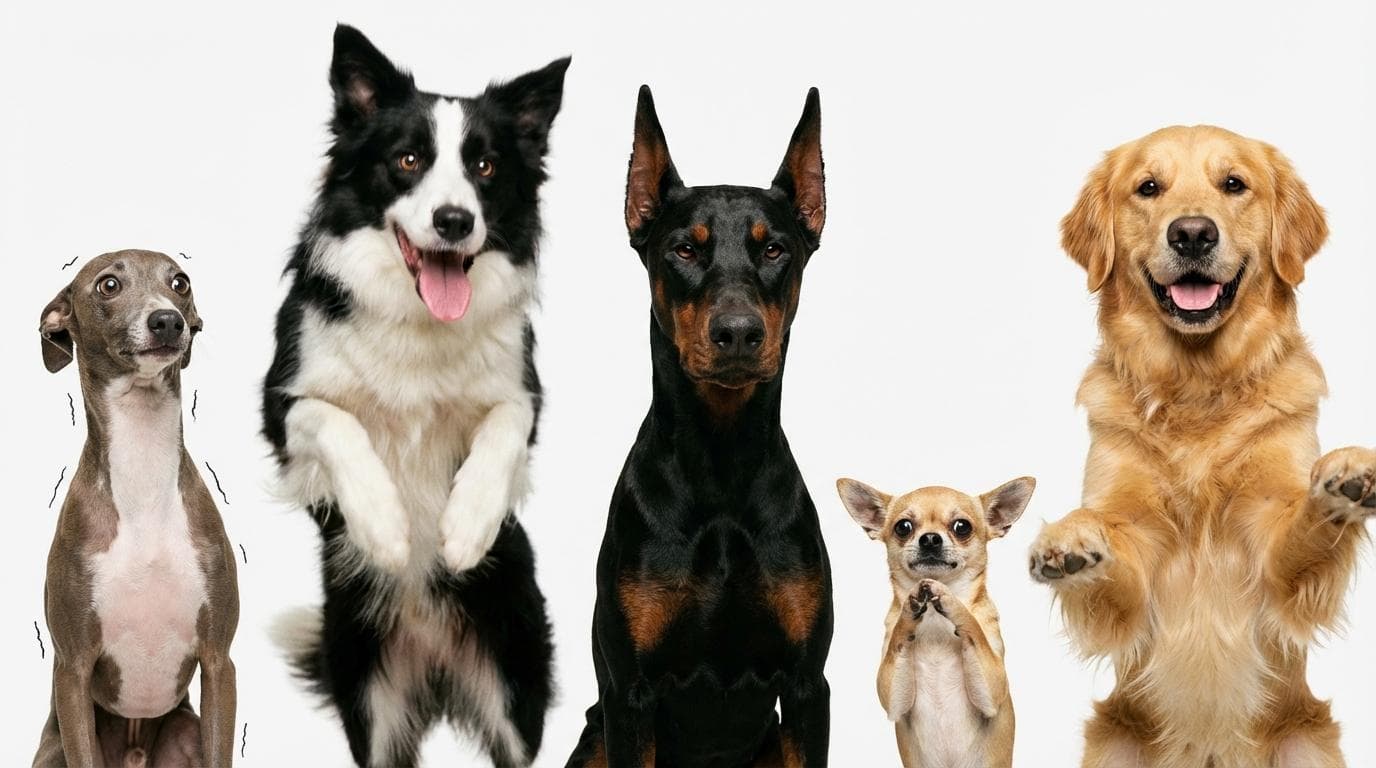
Here at Dog Archetype, we believe that to truly help your dog, you need to understand why they do what they do. We’ve identified 5 distinct dog behavioral archetypes that explain the deeper drivers behind your dog’s actions. These aren't just labels; they're comprehensive profiles that help you see your dog with new eyes, guiding you toward genuinely effective solutions.
Why Traditional Approaches Often Fall Short for Dog Behavior Types
Many conventional training methods focus on the symptom, not the cause. If your dog barks at other dogs, the advice might be to distract them, turn and walk away, or use a leash correction. While these techniques can sometimes manage a situation in the short term, they rarely address the root of the behavior. It’s like putting a band-aid on a broken bone – it might stop the bleeding, but it won’t heal the injury.
You might have tried countless techniques like "positive reinforcement," "negative punishment," or "desensitization," but if you're not addressing the underlying dog personality types and their specific motivations, you'll find yourself stuck in a cycle of temporary fixes. For example, a dog who barks out of fear needs a completely different approach than a dog who barks out of overexcitement. Treating both with the same method is bound to lead to frustration for both you and your dog.
This is where understanding dog behavior types becomes revolutionary. By identifying your dog's specific behavioral archetype, you gain clarity on their internal world, allowing you to choose training strategies that resonate with their core needs and truly transform their behavior.
The 5 Dog Behavior Types Most Trainers Don't Know About
Every dog is an individual, but within their unique personalities, we can observe patterns – deep-seated motivations and typical responses that define their dog behavioral archetype. These archetypes help us understand the "why" behind their actions, especially when it comes to challenging behaviors. Let's explore the 5 archetypes that explain why your dog acts the way they do.
The Anxious Guardian
Who they are: This dog is driven by a deep-seated need to protect their perceived territory, resources, or family, often stemming from anxiety or insecurity about their role. They see threats everywhere and feel it's their job to sound the alarm or ward off perceived dangers. They are hyper-vigilant and struggle to relax, always scanning their environment.
What they look like: You might see your Anxious Guardian barking frantically at the mail carrier, growling at guests who approach "their" couch, or pacing nervously when someone new enters their space. They might be fine with familiar people but become suspicious and vocal around strangers, especially if those strangers make direct eye contact or move quickly. They often struggle to settle in new environments and might be prone to separation anxiety.
Practical Advice:
Establish Clear Leadership: Reassure your dog that you* are in charge of protection. This doesn't mean being harsh, but rather consistently setting boundaries and taking responsibility for decision-making.
* Create Safe Zones: Provide a designated, quiet space (like a crate or a specific room) where your dog can retreat and feel secure, free from perceived threats.
* Manage Triggers: Identify what sets your dog off and manage those situations. Use curtains for window barking, keep your dog on a leash when guests arrive, and introduce new people slowly and calmly, always on your dog's terms.
Build Confidence: Engage in activities that build your dog's self-esteem, like obedience training, puzzle toys, or scent work. Reward calm, confident behavior, especially when they choose not* to react.
The Overstimulated Athlete
Who they are: This dog personality type is characterized by high energy, high drive, and an intense need for mental and physical stimulation. They are easily overwhelmed by sensory input and often struggle with impulse control. They aren't trying to be "bad"; they simply have an abundance of energy and excitement that they don't know how to channel appropriately.
What they look like: Your Overstimulated Athlete might be the dog who pulls relentlessly on the leash, performs frantic zoomies indoors, struggles to settle down even after a long walk, or barks excessively out of sheer excitement. They might jump on people, mouth hands, or snatch items, not out of malice but because their arousal levels are constantly high. They might seem "hyper" and struggle to focus, often mislabeled as simply "dominant" or "untrainable."
Practical Advice:
* Structured Exercise: Beyond just walks, incorporate activities that burn both physical and mental energy, like fetch, agility, or flirt pole play. Ensure the exercise is structured and has a clear beginning and end.
* Mental Enrichment: Puzzle toys, sniff walks, and obedience training that requires focus are crucial. Brain games can be more tiring than physical exercise for this archetype.
* Impulse Control Games: Teach "wait," "stay," and "leave it" in various contexts. Practice waiting for food, waiting at doors, and waiting for toys.
Teach an "Off-Switch": Actively teach and reward calm behaviors. Practice settling on a mat, relaxing on a dog bed, and being quiet in their crate. Manage their arousal levels before* they become overstimulated.
The Under-Socialized Protector
Who they are: This dog's "protective" or reactive behavior stems from a lack of appropriate early exposure to various people, dogs, and environments. They often experience fear or suspicion of the unknown, and their protective instincts kick in as a defensive mechanism because they haven't learned how to navigate the world confidently. This is a common dog behavioral archetype for rescue dogs or those isolated during critical developmental periods.
What they look like: An Under-Socialized Protector might bark and lunge at unfamiliar dogs or people, shy away from new experiences, or growl when approached by strangers. They might seem fine in their familiar home environment but become overwhelmed and reactive in novel situations like a busy park, vet office, or pet store. They often look to their owner for reassurance but might also push boundaries if they feel threatened.
Practical Advice:
* Controlled, Positive Exposure: Introduce new sights, sounds, people, and dogs very slowly and positively. Use high-value treats to create positive associations with triggers, always keeping your dog below their "threshold" (the point where they react).
* Prioritize Safety and Predictability: Avoid overwhelming situations. If your dog gets stressed at the dog park, don't go. Focus on controlled, one-on-one interactions or parallel walks with calm, known dogs.
* Build Trust: Your dog needs to know you are their safe harbor. Respond to their signals of discomfort and remove them from stressful situations. Never force interactions.
* Counter-Conditioning: Pair the presence of a trigger (at a distance where your dog is comfortable) with something highly positive, like their favorite treat. The goal is to change their emotional response from fear to anticipation of good things.
The Fearful Reactor
Who they are: This is perhaps the most commonly misunderstood of the types of reactive dogs. Their reactivity – barking, lunging, growling – is purely fear-based. They are trying to create distance and ensure their own safety because they perceive a threat. They are not being aggressive out of malice, but out of desperation.
What they look like: A Fearful Reactor will typically show clear signs of fear before or during their reaction: tail tucked, ears back, body low, avoidance behaviors, sometimes even shaking or urinating. They might lunge and bark, but their body language often communicates "go away!" rather than "come here and fight me." They might be triggered by specific things (men with hats, children, other dogs) or by general unpredictability.
Practical Advice:
* Distance is Your Friend: The most crucial tool is managing distance from triggers. If your dog reacts at 20 feet, work at 30 feet. Always keep your dog below their threshold.
* Desensitization and Counter-Conditioning: This is the cornerstone. Gradually expose your dog to triggers at a distance where they notice but don't react, pairing the trigger with high-value treats. The goal is to change their emotional response.
* Create a Secure Environment: Ensure your home is a safe haven. Avoid punishment, which will only increase fear and erode trust.
* Build Trust and Predictability: Be your dog's advocate. Protect them from scary situations. Use a consistent routine to help them feel secure.
* Consider Professional Help: For severe fear reactivity, a certified professional dog trainer or veterinary behaviorist can provide invaluable guidance and may even suggest medication to help your dog manage their anxiety while training is underway.
The Frustrated Greeter
Who they are: This dog behavioral archetype desperately wants to interact with other dogs or people but lacks the social skills or impulse control to do so appropriately. Their "reactivity" comes from intense desire and frustration, not fear or aggression. They are often friendly but overwhelming.
What they look like: Your Frustrated Greeter might whine, bark excitedly, pull relentlessly, jump, or even air snap when they see another dog or person, all because they want to say hello right now. They might ignore all commands once a trigger appears and seem completely fixated. They often look like they're being aggressive, but their wagging tail and overall body language indicate intense excitement and a desire to connect, albeit an unrefined one.
Practical Advice:
* Impulse Control Training: This is paramount. Teach "wait," "
Further Reading
For more expert guidance on this topic, check out these trusted resources: