Dog Archetype
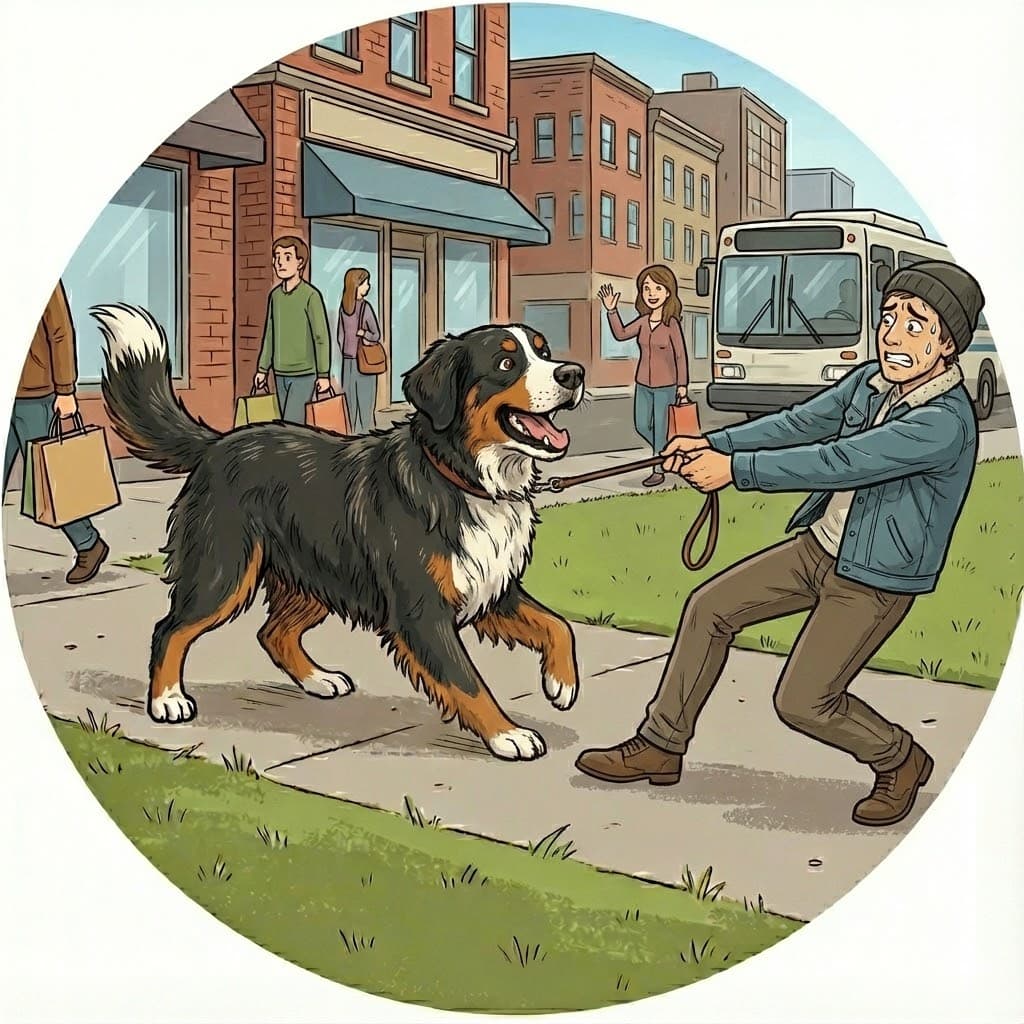
The Frustrated Greeter
They love everyone—a little too much
Is This Your Dog? Take the Free QuizUnderstanding The Frustrated Greeter
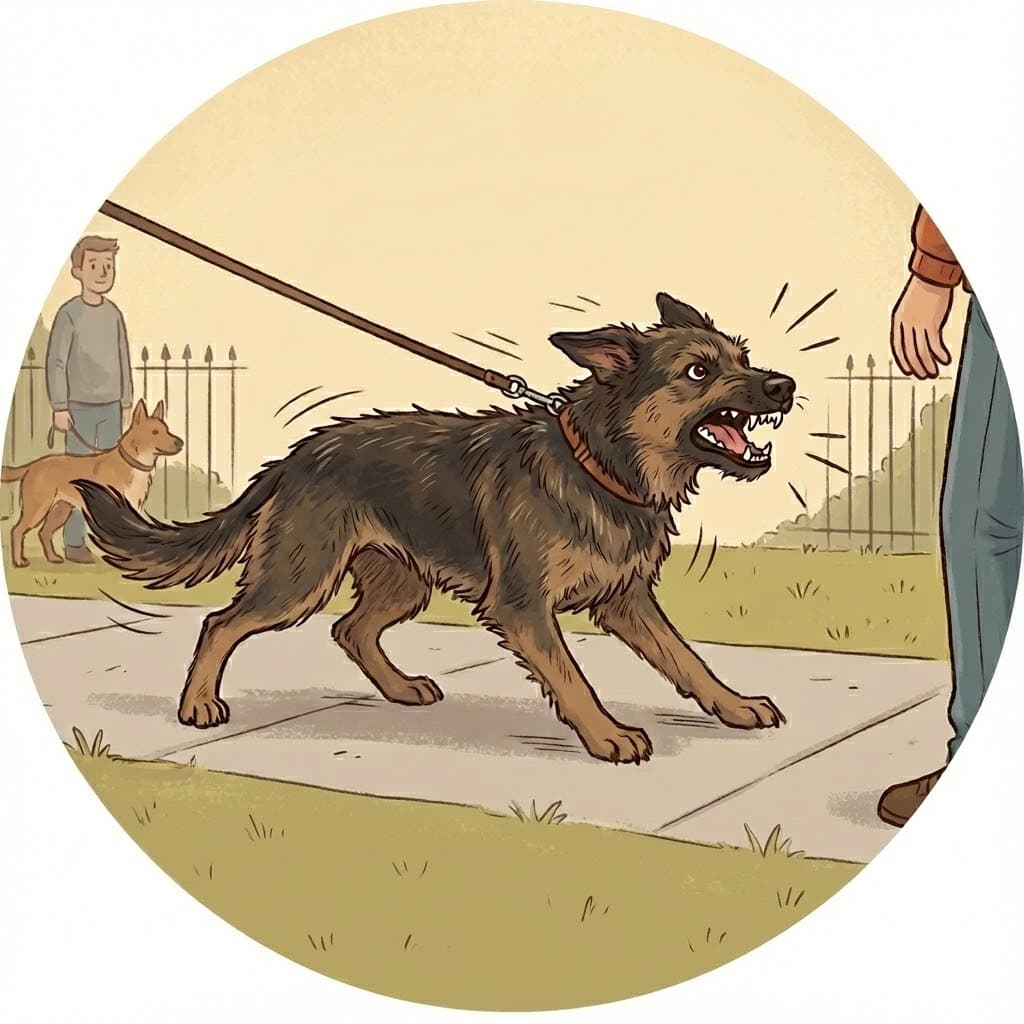
Your dog is social, friendly, and desperate to say hello to every person and dog they see. But when the leash stops them, frustration takes over: barking, lunging, spinning, whining.
This is "leash frustration," not aggression. Off-leash, they're probably a sweetheart.
On-leash, they haven't learned patience. This archetype needs impulse control and calm greetings.
Signs Your Dog Is Frustrated Greeter
Pulls intensely toward people or dogs on walks
Barks, whines, or lunges when they can't greet someone
Jumps all over people when finally allowed to say hello
Calm and friendly once they reach their target
Struggles with "wait" or "leave it" commands
Gets overly aroused in social settings
No aggression—just poor manners and impulse control
What Triggers This Behavior?
- ⚡Seeing other dogs on leash
- ⚡Spotting people (especially dog lovers who make eye contact)
- ⚡Dog parks or social settings
- ⚡Excitement/anticipation of greetings
- ⚡Being held back or restrained
Why Dogs Become Frustrated Greeters
🧬 Genetics & Breed
Certain breeds have exceptionally high social motivation—Retrievers, sporting breeds, companion breeds with strong engagement drives..
🏠 Environment
Modern leashed environments create chronic frustration. Dogs constantly exposed to others but prevented from engaging.
📖 Life Experience
Intermittent reinforcement (occasionally reaching the desired dog) makes behavior highly resistant to extinction..
How to Spot It: Behavioral Markers
Physical Signs
- Intense forward-leaning body posture
- High tail carriage, rapid wagging
- Play bow or wiggling body
- Rapid panting and pacing when restrained
Behavioral Responses
- Explosive pulling toward dogs or people
- High-pitched, insistent barking or whining
- Immediate calm if allowed to approach
- Complete lack of response to cues during reactive moment
The emotional truth: The core emotion is excitement combined with frustration. Positive arousal combined with barrier frustration, not fear or aggression.
How to Help: Training Approach
Impulse control training combined with differential reinforcement. Calm behavior earns access to social interactions.
Key Techniques
What to Expect: Training Timeline
4 Weeks
4 weeks: Significant improvement in basic impulse control. Strong attention in low-distraction environments.
12 Weeks
12 weeks: Consistent calm behavior at moderate distances. Dramatically reduced barking and lunging.
24 Weeks
24 weeks: Reliable calm passes at close proximity. Automatic impulse control around triggers.
Progress Milestones to Watch For
Difficulty Level
moderate
Reactivity
70 → 20
Confidence
85 → 95
Not Sure If This Is Your Dog?
Take our free 2-minute quiz to discover your dog's exact behavioral archetype and get a personalized training recommendation.
Take the Free Quiz →