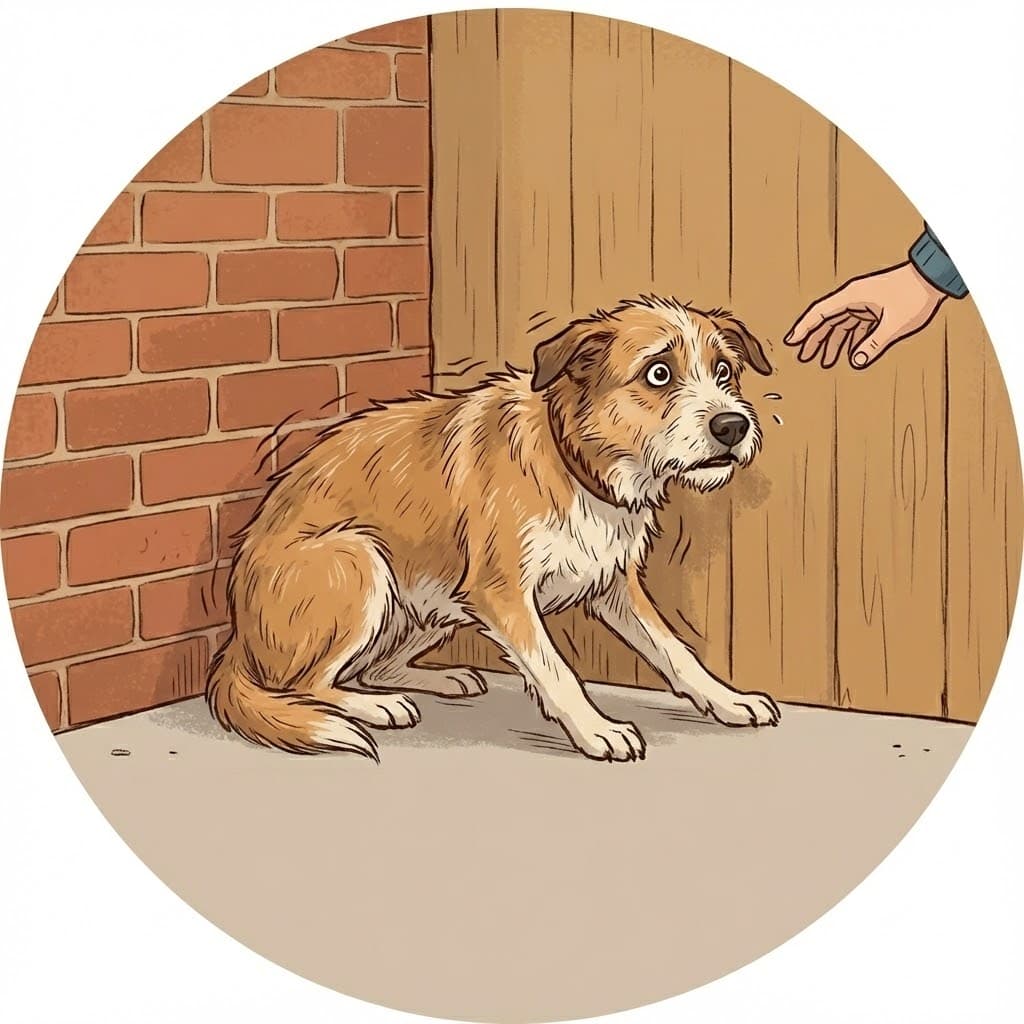
Dog Archetype
The Fearful Reactor
Fight-or-flight is always set to "flight"—until it's not
Is This Your Dog? Take the Free QuizUnderstanding The Fearful Reactor
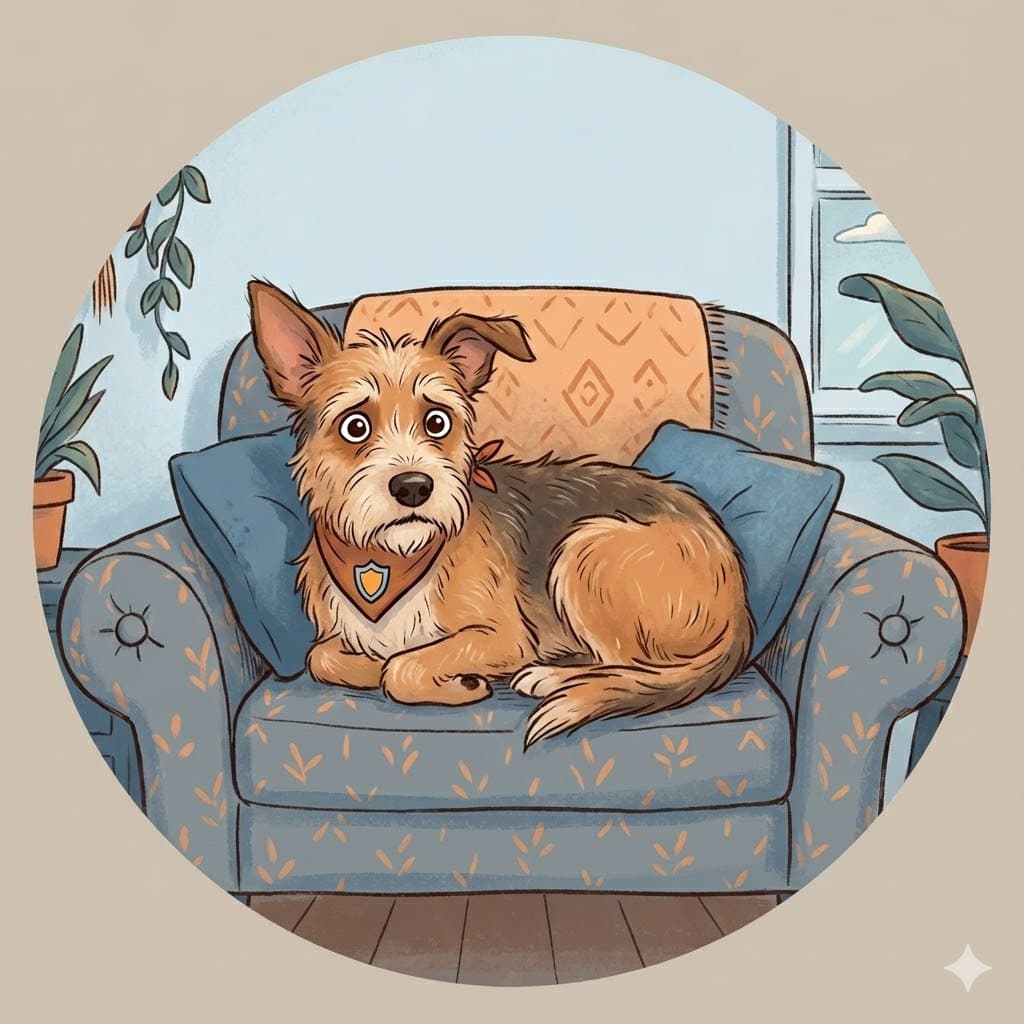
Your dog operates from a place of fear. They'd rather hide, but when escape isn't an option, they react defensively.
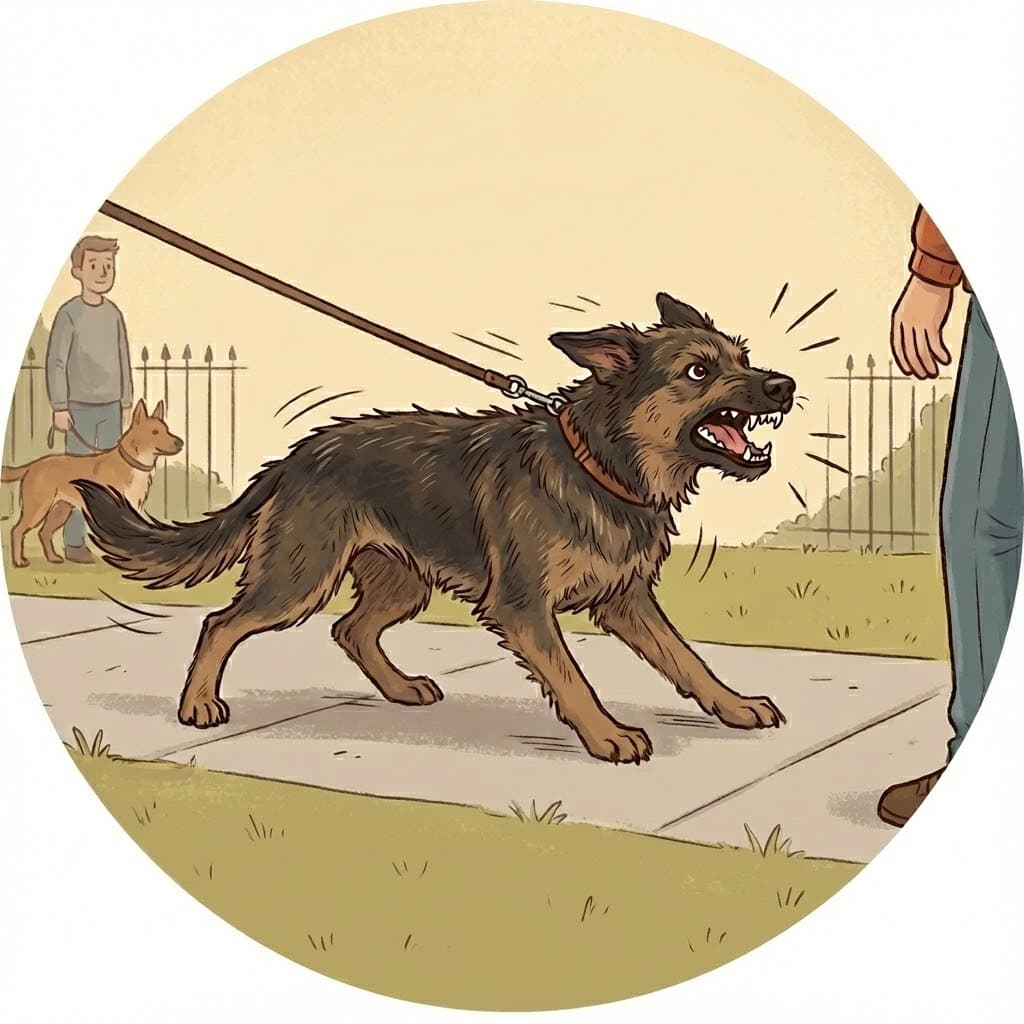
This might look like aggression, but it's actually panic. A traumatic experience, genetic predisposition, or lack of early positive experiences has wired their brain to see danger everywhere.
Healing this archetype requires building trust and teaching them the world isn't as scary as it seems.
Signs Your Dog Is Fearful Reactor
Tucks tail, cowers, or tries to hide in stressful situations
Reacts explosively when cornered or unable to escape
Freezes before reacting (stiff, shut down)
Avoids eye contact and new experiences
Startles easily at sounds, movements, or touch
Takes a long time to calm down after being triggered
May have a history of trauma, rehoming, or poor early socialization
What Triggers This Behavior?
- ⚡Sudden movements or loud noises
- ⚡Being approached head-on or cornered
- ⚡Vet visits, grooming, or handling by strangers
- ⚡Anything that resembles a past trauma
- ⚡Crowded spaces with no exit route
Why Dogs Become Fearful Reactors
🧬 Genetics & Breed
Genetic predisposition to fearfulness with heritability estimates around 30-40%. Some breeds and lines are more prone to anxiety disorders.
🏠 Environment
Environmental deprivation during critical socialization period. Lack of positive human interaction creates dogs who view humans as threats.
📖 Life Experience
Traumatic experiences create lasting fear memories. Punishment-based training significantly worsens fear-based reactivity.
How to Spot It: Behavioral Markers
Physical Signs
- Low body posture with tail tucked
- Ears pinned flat against head
- Excessive panting, drooling, or trembling
- Wide, dilated pupils and whale eye
- Freezing or complete shutdown
Behavioral Responses
- Active avoidance—backing away, hiding
- Explosive defensive reactions if escape blocked
- Prolonged recovery time
- Food refusal in stressful situations
The emotional truth: The primary emotion is overwhelming fear and panic. This isn't aggression—it's terror-driven defensive behavior from a chronically anxious state.
How to Help: Training Approach
Systematic desensitization with classical counterconditioning through a trauma-informed, consent-based lens with potential medication support.
Key Techniques
What to Expect: Training Timeline
4 Weeks
4 weeks: Establishment of safe space and trust with primary caregiver.
12 Weeks
12 weeks: Noticeable reduction in generalized anxiety, successful desensitization to 1-2 key triggers.
24 Weeks
24 weeks: Significantly expanded comfort zone, ability to handle necessary outings without shutdowns.
Progress Milestones to Watch For
Difficulty Level
advanced
Reactivity
95 → 30
Confidence
20 → 70
Not Sure If This Is Your Dog?
Take our free 2-minute quiz to discover your dog's exact behavioral archetype and get a personalized training recommendation.
Take the Free Quiz →