Dog Archetype
The Under-Socialized Protector
They never learned that the world is safe
Is This Your Dog? Take the Free QuizUnderstanding The Under-Socialized Protector
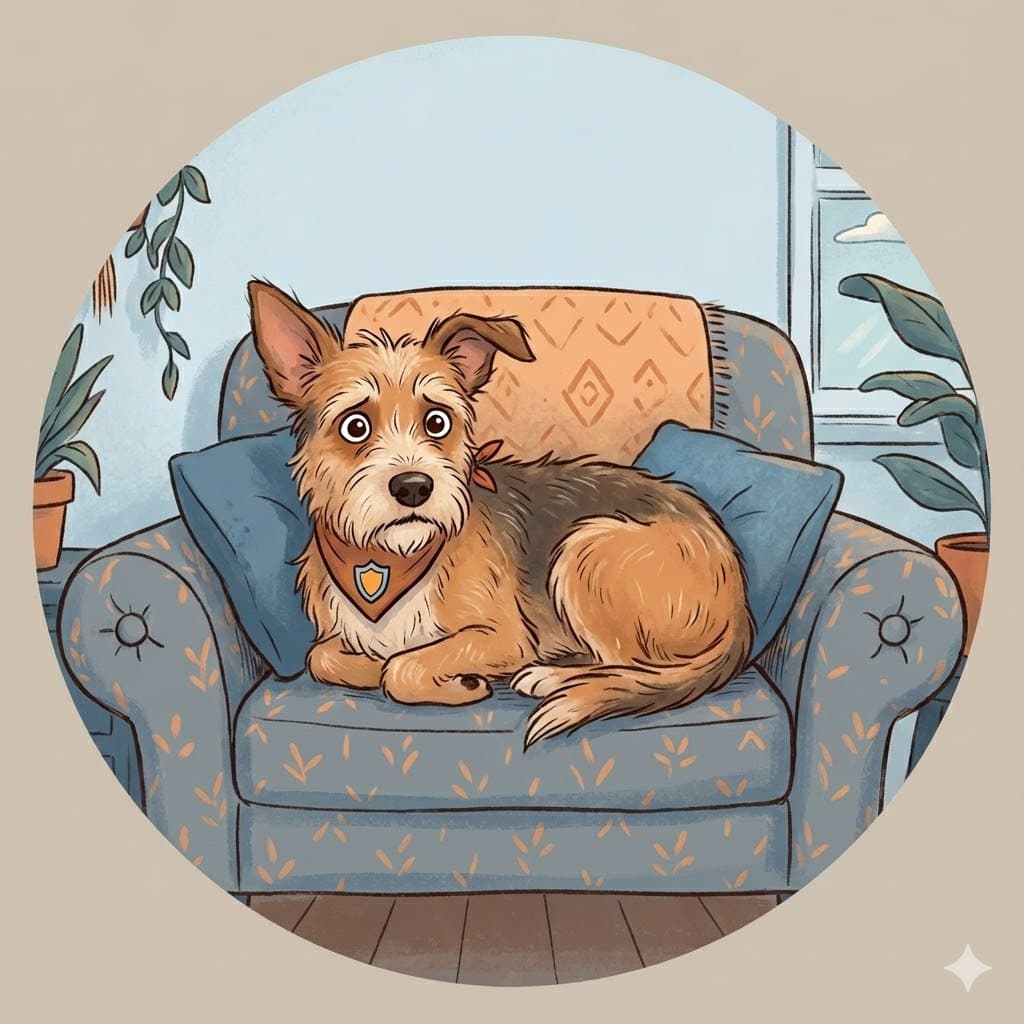
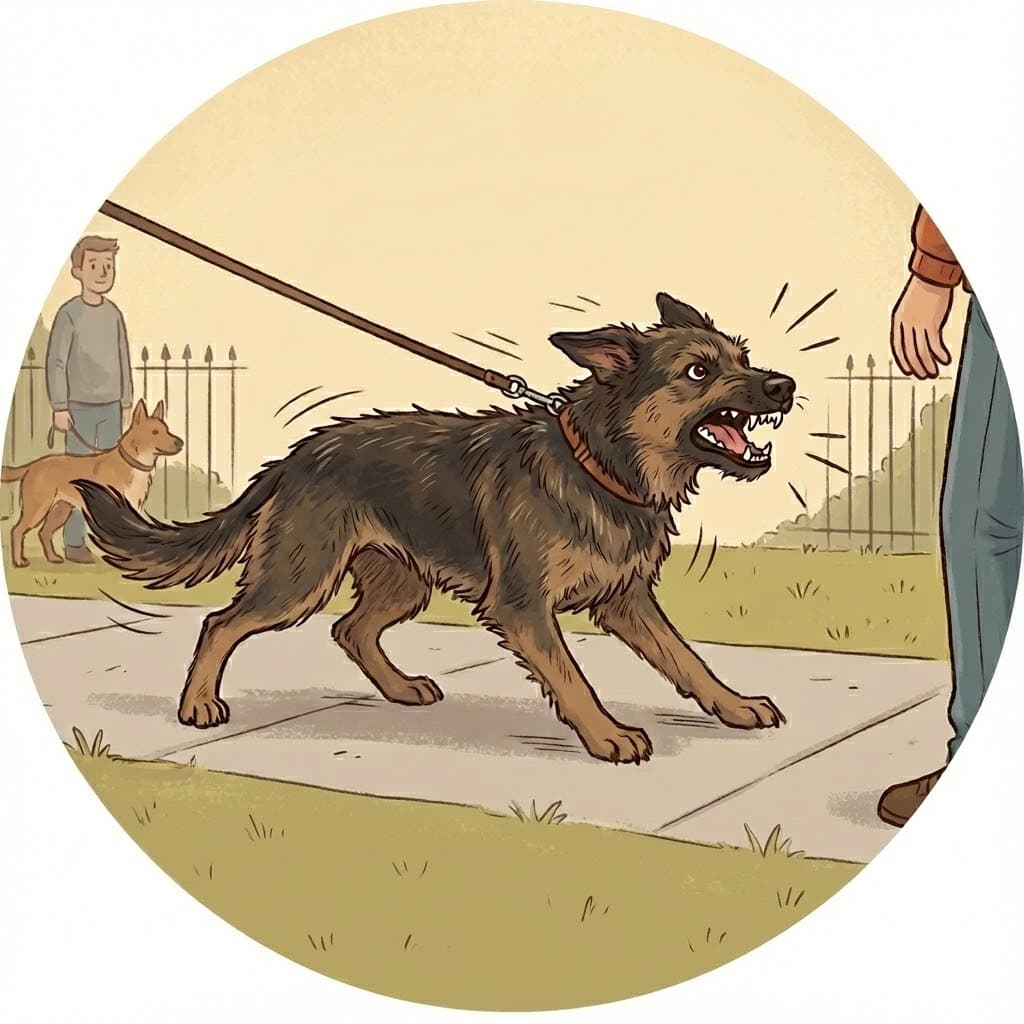
Your dog missed critical socialization windows or had limited positive experiences with dogs, people, or environments during their formative months. Now, anything unfamiliar triggers a defensive response: stiff body language, intense stares, growling, or lunging.
They're not "mean"—they're scared and untrained in how to communicate appropriately. This archetype needs patient, systematic desensitization.
Signs Your Dog Is Under-Socialized Protector
Stiffens, stares, or growls at unfamiliar dogs or people
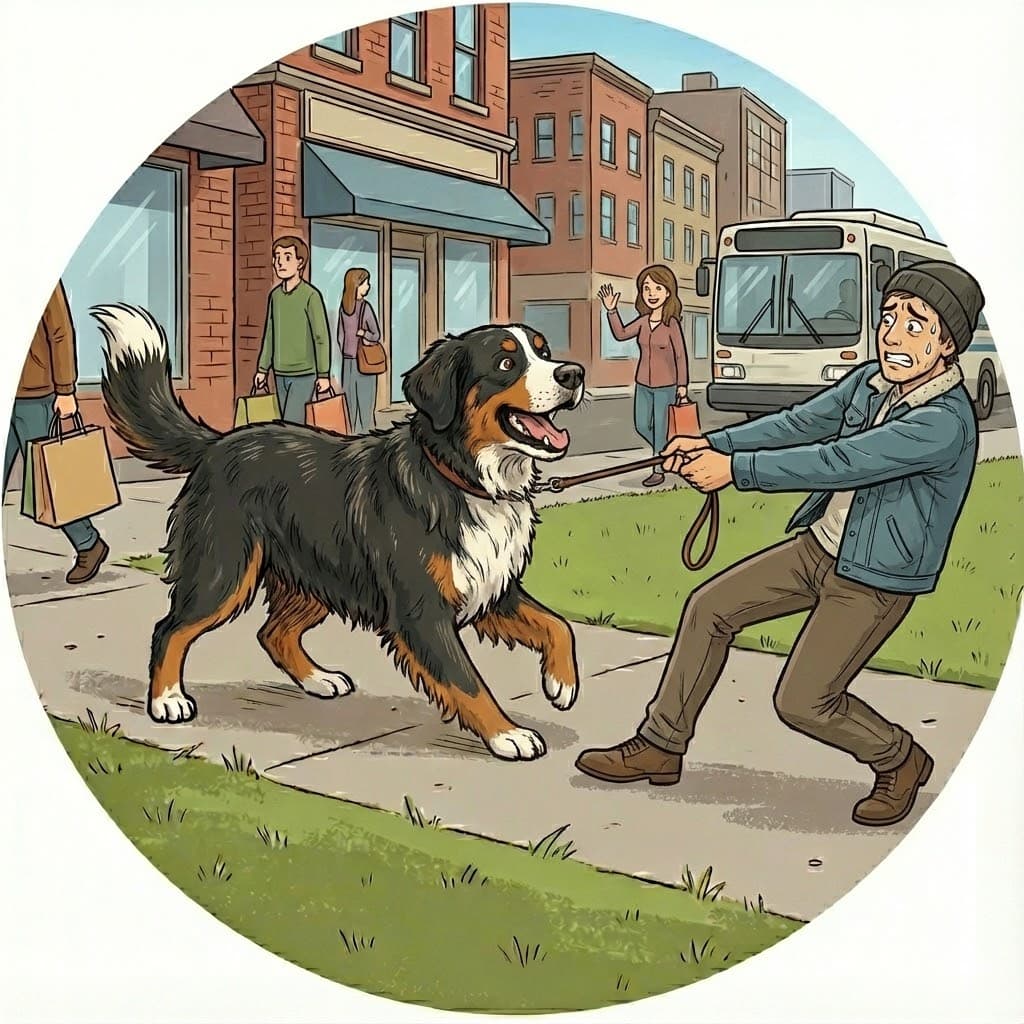
Lunges or snaps when approached too quickly
Avoids eye contact or direct interaction
Resource guards (food, toys, space)
Reacts poorly in crowded or novel environments
May have a history of limited exposure to the world as a puppy
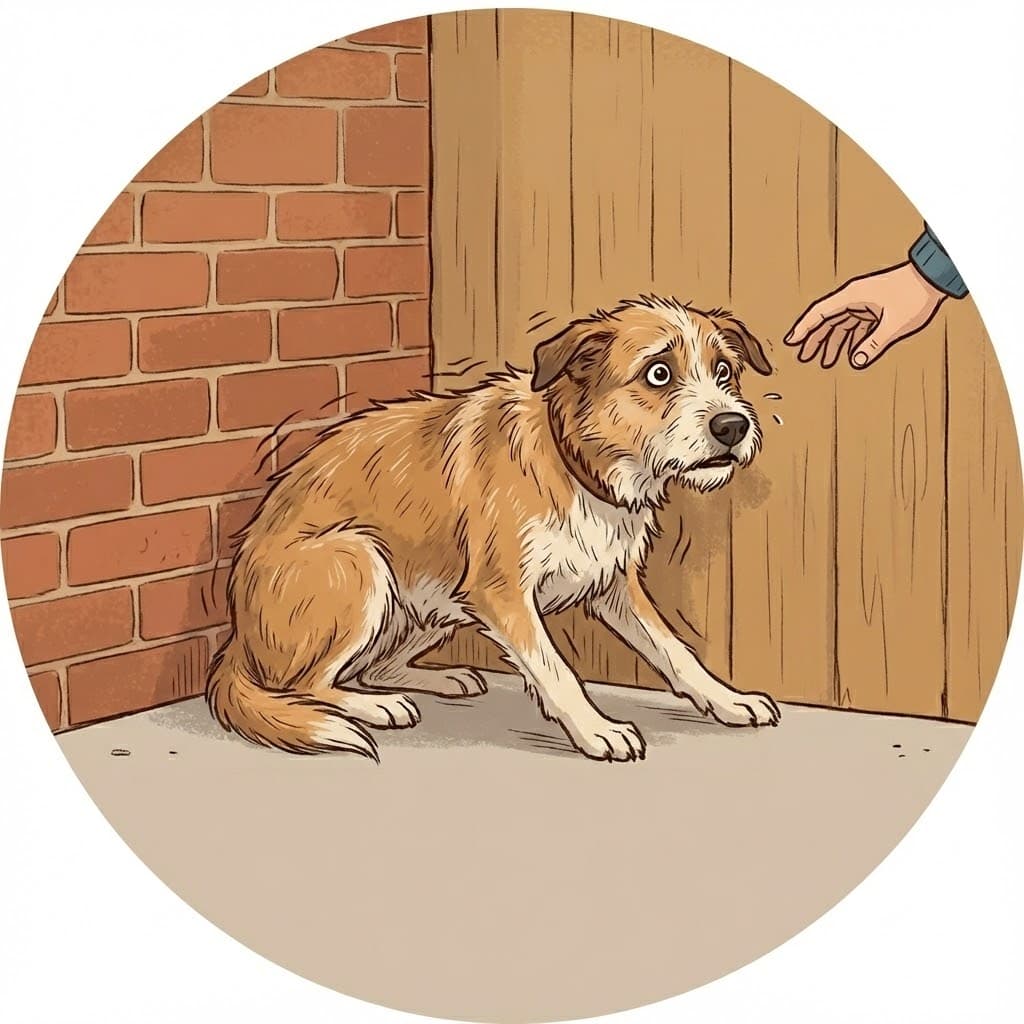
Shows "whale eye" (whites of eyes visible) when stressed
What Triggers This Behavior?
- ⚡Direct approaches from strangers or dogs
- ⚡Being cornered or restrained
- ⚡Unfamiliar environments (vet, groomer, new places)
- ⚡Fast movements or loud voices
- ⚡Children (unpredictable movements)
Why Dogs Become Under-Socialized Protectors
🧬 Genetics & Breed
Certain breeds (livestock guardians, some terrier types, primitive breeds) have lower genetic sociability thresholds—meaning they require more intensive socialization to achieve the same comfort level with novelty as naturally gregarious breeds like Retrievers..
🏠 Environment
The most significant environmental factor is missed socialization windows. Puppies kept in kennel environments, sold from pet stores (puppy mills), or isolated during the critical 3-14 week period never receive the necessary neural patterning for social confidence.
📖 Life Experience
Traumatic experiences during the sensitive period have outsized impact. A single negative encounter with a dog or person between 8-16 weeks can create lasting fear responses.
How to Spot It: Behavioral Markers
Physical Signs
- Hard, prolonged stare at approaching dogs or people
- Stiff, frozen body posture with weight shifted backward
- Raised hackles (piloerection) along spine
- Whale eye (whites of eyes visible)
- Lip curls, showing teeth as warning display
Behavioral Responses
- Active avoidance—trying to move away from approaching dogs/people
- Barrier frustration—worse reactivity when on leash
- Space guarding—not allowing approach to resources
- Defensive displays escalate if trigger doesn't retreat
The emotional truth: The core emotion is defensive fear, not predatory aggression. The dog feels threatened by novel or approaching stimuli and uses defensive displays to create distance.
How to Help: Training Approach
Systematic desensitization paired with classical counterconditioning (DS/CC) at sub-threshold distances.
Key Techniques
What to Expect: Training Timeline
4 Weeks
4 weeks: Clear threshold identification and reliable alternative behaviors.
12 Weeks
12 weeks: 30-50% reduction in threshold distance, automatic check-ins when seeing triggers.
24 Weeks
24 weeks: Tolerate close proximity (6-10 feet) with calm body language and reduced reactivity.
Progress Milestones to Watch For
Difficulty Level
advanced
Reactivity
90 → 35
Confidence
25 → 75
Not Sure If This Is Your Dog?
Take our free 2-minute quiz to discover your dog's exact behavioral archetype and get a personalized training recommendation.
Take the Free Quiz →